Eternit Roofing: Popular Features That Sell Every Time
Introduction
If roofs could talk, some of them would brag, and others would beg for retirement. Eternit roofing has been the quietly confident type—durable, low-maintenance, and often overlooked until someone points out the savings on insurance and labor. I'm here to guide you through the features that make Eternit roofing sell like hotcakes to homeowners, renovators, and commercial clients. I’ll share real-world stories, practical advice, and no-nonsense comparisons so you can decide with confidence.
I’ve been on roofs in driving rain, under scorching sun, and during those awkward late-afternoon inspections when everyone’s tired and the coffee’s cold. Over the years I’ve helped dozens of clients choose roofing systems that don’t just look good on paper; they perform and stand the test of time. Let’s pull back the ridge cap and see what makes Eternit roofing a perennial favorite.
Eternit Roofing: Popular Features That Sell Every Time
Eternit roofing earns attention because it balances performance, cost, and lifespan. What exactly sells? Longevity, weather resistance, low maintenance, aesthetic flexibility, and sustainability. These aren’t marketing buzzwords—these are practical benefits clients notice when the first winter storm hits and their neighbors are busy with tarps and emergency repairs.
Why do customers pick Eternit? Simple: it reduces worry. One homeowner I worked with had a leaky, quarter-century-old tiled roof that had been patched more times than a fisherman’s net. After switching to Eternit fibre cement sheets, their energy bills dropped, insurance premiums fell, and they finally felt secure during wind storms. That kind of relief turns buyers into advocates.
- Durability: Fibre cement resists rot, insect attack, and extreme temperatures. Weather resistance: Designed to handle heavy rain, hail, and strong winds. Low maintenance: No weekly inspections, no moss-scraping sessions. Aesthetic range: Available in profiles and colors that mimic tile, slate, and corrugated metal. Sustainability: Many Eternit products use recyclable components and have long lifespans, reducing embodied carbon per year of service.
Table: Quick feature comparison
Feature Eternit (fibre cement) Traditional Clay Tile Metal Roofing Typical lifespan 40–60 years 50–100 years 25–50 years Maintenance Low Moderate Low Weight Moderate Heavy Light Cost (installed) Mid High Variable Weather resilience High High HighWhy homeowners trust Eternit roofing: Proven durability and warranties
Homeowners ask me, “Will this roof last?” They want assurances, not just warm fuzzies. Eternit systems come with warranties and solid track records. I’ve inspected roofs installed 30 years ago that still showed minimal wear. That kind of longevity comes from composition: cellulose, cement, and reinforcing fibers baked into tough, homogeneous sheets.
What about warranties? Many Eternit products carry 20–30 year manufacturer warranties, and when properly installed, you’ll often get extended coverage from reliable installers. Always read the fine print—warranties usually require certified installers and routine inspections. I once helped a client save thousands by proving the installer had used unapproved fasteners, voiding the warranty. We re-roofed correctly, and the manufacturer honored an extended replacement plan. Lesson: documentation matters.
Practical pointers:
- Use certified installers to preserve warranty validity. Keep installation and maintenance records. Perform one or two inspections a year (or after big storms).
Aesthetic choices: Color, profile, and curb appeal
Want a roof that sells a house the moment buyers turn into the driveway? Eternit’s variety is a secret weapon. It comes in slate-look, tile-look, mono-pitch corrugated, and modern flat profiles. Colors range from muted charcoal to sun-resistant terracotta tones. That versatility helps match heritage architecture, contemporary designs, and everything in between.
One developer I worked with used slate-profile Eternit on a row of infill townhouses. The result looked premium, but the construction budget stayed realistic. Buyers loved the look and the low-maintenance pitch, and several units sold above asking price. Why? Because the roof hinted at long-term value without scaring off first-time buyers.
Design tips:
- Coordinate roof color with gutters and window frames. Consider solar-ready finishes if you plan PV later. Use sample boards on-site to see real lighting effects.
Installation best practices: Speed, safety, and certified tradespeople
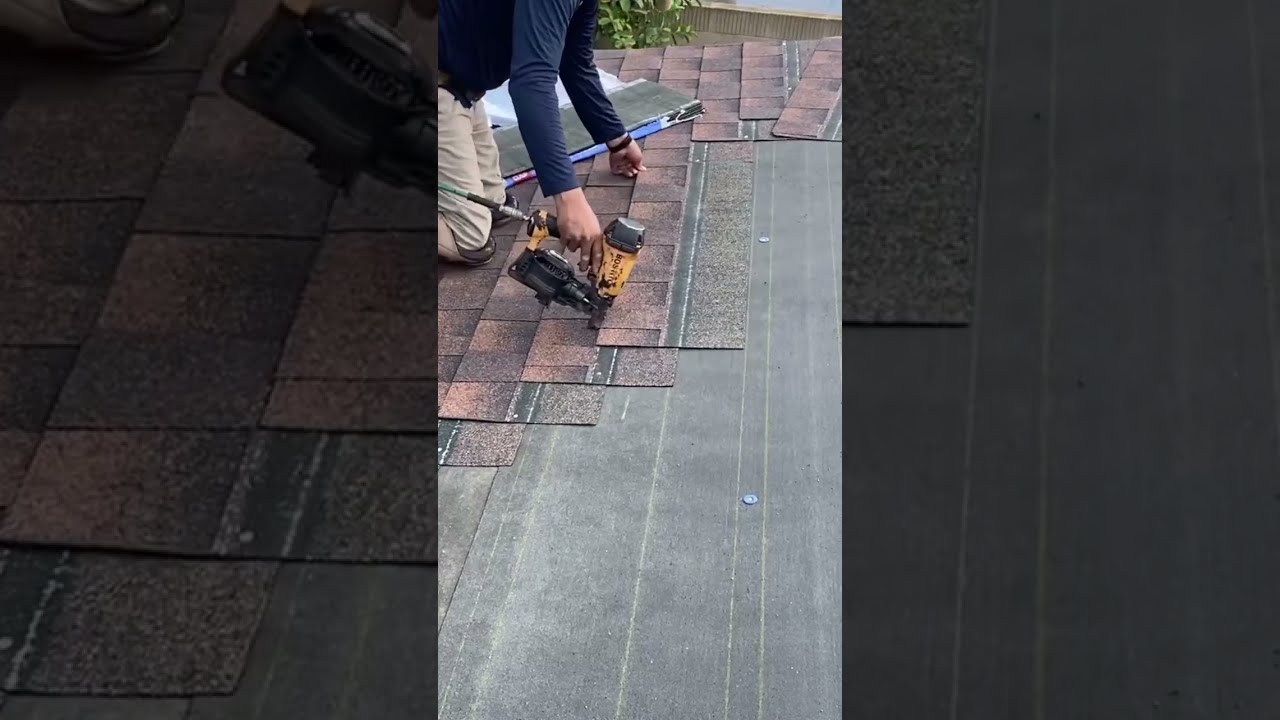
Good materials are only as good as the crew that fits them. Eternit installation is straightforward but demands attention to flashings, Business overlaps, and fastener types. I always insist on certified tradespeople who follow the manufacturer’s installation guides. Small mistakes—like wrong fasteners or improper lap distances—can cause leaks and void warranties.
From my experience:
- Use corrosion-resistant fasteners recommended by Eternit. Maintain correct overlap distances, especially on roofs with steep pitch. Flashings should be stainless steel or coated metal compatible with fibre cement. Ventilation under the roof covering needs to be adequate to prevent condensation.
Here's a quick checklist I give clients before starting work:
Confirm installer certification and referrals. Review installation plan and warranty terms. Ensure scaffolding and safety measures are in place. Verify flashings, gutters, and valley details are specified. Keep a project diary with photos at each stage.Thermal performance and energy savings: How Eternit helps cut bills
Energy savings often sneak up on homeowners. Eternit’s thermal mass and compatibility with reflective coatings help moderate indoor temperatures. On pitched roofs with proper insulation and ventilation, the system reduces heat transfer in summer and retains warmth in winter, boosting comfort and lowering HVAC loads.
I did a retrofit for a bungalow where the owners wanted lower bills. We installed Eternit sheets with a light-reflective finish and upgraded insulation in the attic. Result? They reported a noticeable drop in summer cooling costs within the first season. That’s not smoke and mirrors—effective roofing, proper insulation, and air-sealing work together to reduce energy consumption.
Factors to consider:
- Pair roofing with quality insulation and ventilation. Choose reflective color options for hotter climates. Consider compatibility with solar PV panels for added savings.
Handling moisture, condensation, and long-term maintenance
Moisture management is where many roofs fail. Eternit performs well against rain, but condensation can be an issue if ventilation and underlay aren't set up properly. I always stress a systems approach—roofing, underlay, insulation, ventilation, and gutters must be designed together.
Common pitfalls I’ve fixed:
- Inadequate ridge or soffit ventilation leading to condensation and blue-stain on joists. Blocked gutters causing splash-back and water ingress at eaves. Wrong underlay choice on low-pitch roofs letting moisture into the structure.
Maintenance guidelines (simple, honest, and effective):
- Clean gutters twice a year, especially after autumn leaf fall. Inspect flashings and fasteners every 3–5 years. Remove moss and organic debris promptly; use soft-bristle brushes and approved cleaners. Schedule a full inspection after severe storms.
Cost vs. Value: Pricing, ROI, and insurance benefits
Let’s talk dollars so you can sleep at night. Eternit roofing sits in the mid-range for installed costs—more than basic metal sheeting but often cheaper than natural slate. The catch? Because it lasts long and needs little maintenance, you get higher value over the roof's lifecycle.
Return on investment shows up in:
- Lower maintenance and repair costs. Potentially lower insurance premiums due to improved durability. Increased property value and marketability.
I remember a couple who were torn between an expensive slate roof and Eternit slate-look sheets. They chose Eternit, put the savings into garden landscaping, and sold two years later at a premium for curb appeal. The buyers loved the visual slate effect and the practical upside. In short: price sensibly, but value the long-term.
Sustainability and environmental considerations

Many people worry about the environmental footprint of building materials. Eternit fibre cement has pros and cons: it’s durable, which reduces replacement frequency and embodied carbon over time, and many manufacturers use recycled materials and provide recycling programs.
That said, proper disposal and adherence to local regulations during removal are important. For older roofs containing asbestos—note, older "Eternit" products historically included asbestos—specialist removal is mandatory. Modern Eternit products no longer use asbestos, but always verify the product history before demolishing a roof.
Sustainable practices I recommend:
- Prioritize suppliers who publish life-cycle analysis. Recycle old sheets where facilities exist. Consider complementary green upgrades: insulation, rainwater harvesting, and solar PV.
Client success stories: Real projects, real results
Story 1: The seaside bungalow A seaside client had persistent salt-induced corrosion on an old metal roof. We fitted Eternit corrugated sheets with specialized coastal coatings. Two years on, the owner reported zero corrosion issues, lower maintenance, and compliments from neighbors. The result? A higher resale value and a happy client who referred three friends.
Story 2: The heritage renovation A couple renovating a 1920s semi wanted an authentic slate look without the structural upgrades needed for heavy real slate. Eternit slate-profile sheets gave the historic look, lightened the roof load, and saved structural reinforcement costs. The council approved the conservation-style finish, and the house later featured in a local architecture tour.
Story 3: The apartment block retrofit A property manager faced repeated leak claims in a multi-unit block. After an audit, we replaced the aging roof with Eternit systems, improved gutters and access for inspection, and documented the whole process. Claims dropped, tenants were happier, and maintenance costs went down.
Common questions and quick answers
Q: Is Eternit roofing suitable for every climate? A: Mostly yes. It performs well in temperate, coastal, and continental climates, but you should match the profile, coatings, and underlay to local weather patterns.
Q: Can Eternit mimic slate or tile convincingly? A: Absolutely. Modern profiles mimic textures and shadows remarkably well, often at a fraction of the cost and weight.
Q: What about fire resistance? A: Fibre cement has excellent fire resistance compared to timber shingles. Check specific product fire ratings in your region.
Q: How quickly can you install an Eternit roof? A: Installation speed depends on roof complexity, but many residential roofs are completed within days to a couple of weeks.
Q: Do I need special tools? A: Not especially—certified installers use standard roofing tools and appropriate safety gear. Avoid DIY unless you’re experienced.
Q: Will it dent in hail? A: Fibre cement resists small hail; very large hail can cause damage. Choose thicker profiles if hail is common in your area.
FAQs
Q1: How long does Eternit roofing last compared to other materials? A1: Eternit typically lasts 40–60 years when installed and maintained properly. That places it above many metal roofs in lifespan and below natural slate in the high end. The real advantage is consistent performance over decades with low upkeep.
Q2: Are Eternit roofs noisy during rain? A2: Not significantly. With proper insulation and an appropriate underlay, the noise is similar to tiled roofs. Metal roofs tend to be louder without the same underlay thickness.
Q3: Can Eternit be installed over existing roofing? A3: Sometimes. If the existing substrate Business is sound and the additional weight is within structural limits, an overlay may be possible. However, removing old material is often best for a long-term fix and to inspect the structure.
Q4: How do I maintain an Eternit roof? A4: Regular gutter cleaning, occasional moss/lichen removal, and periodic inspections every 3–5 years. Address flashings and sealants promptly if you spot wear.
Q5: Is Eternit roofing eco-friendly? A5: It can be. Those concerned with sustainability should verify the manufacturer’s recycled content and end-of-life recycling options. The long lifespan also reduces resource use over time.
Q6: What should I check before hiring an installer? A6: Certification for Eternit products, references, proof of insurance, a written scope of work, warranty terms, and a timeline. I always recommend checking completed projects in your area.
Transparent advice: Pitfalls to avoid
I'll be blunt: the majority of roofing problems come from corners cut during installation and poor detailing, not from the sheets themselves. Here are things I’ve seen cost clients extra time and money:
- Using non-recommended fasteners. Cheap screws corrode; the wrong head profile can damage sheets. Ignoring manufacturer lap and overlap instructions. Small misalignments create leak paths. Skimping on flashings and valley work. These are weak points under heavy rain. Not documenting the install. No paperwork can void warranties if disputes arise.
If you want the short checklist to avoid headaches:
Choose certified installers. Get a signed contract detailing materials and warranty. Photograph each stage of installation. Schedule and perform the first maintenance check within a year.Comparisons with alternatives: Slate, clay, and metal roofs
Everyone loves comparisons, right? Here’s a compact view to help choose.
- Natural slate: Premium look and longevity, but heavy and expensive. Requires strong rafter support. Clay tiles: Traditional aesthetic and long life, but heavy and may be brittle in hail. Metal roofing: Lightweight, fast to install, and modern; however, insulation and noise can be issues, and some metal profiles dent.
Eternit often sits in the sweet spot for homeowners seeking a balance between aesthetics, lifespan, and cost. It’s a practical choice for those who want the look of slate or tile without the structural or budget headaches.
Maintenance schedule and long-term care plan
Invest five minutes now for savings later. Here’s a sample maintenance plan I hand to clients:
- Quarterly: Visual check of gutters and accessible areas for debris. Annually: Professional inspection of flashings, ridge, and valleys; tighten or replace fasteners if needed. Every 3–5 years: Clean sheets with approved solutions to remove grime; check seals and coatings. After major storms: Immediate inspection for displaced sheets or damaged flashings.
Document all maintenance. It helps with resale and warranty claims. I once helped a homeowner get a warranty-covered repair simply because they had a neat file of inspection reports—proof matters.
Closing thoughts and trust-building
I’ve been under roofs in rain that made everyone else give up. I’ve lifted Ridge caps in winter with frost crunching underfoot, and I’ve stood on scaffoldings while clients practiced that first confident “we made the right choice” smile. Eternit roofing isn’t a magic bullet, but it’s a pragmatic, proven system that delivers durability, aesthetic flexibility, and real value.
If you’re weighing options, ask the tough questions: who will install it, what exactly does the warranty cover, and how will the system integrate with insulation and drainage? If you want, I’ll walk through your roof options with you—up close, on-site, and with the paperwork in hand.
Quote worth keeping: “Buy quality once, and you won’t regret it. Buy cheap twice, and you’ll hate the bills.” — practical wisdom from many re-roof projects.
If you’d like a bespoke evaluation, tell me about the roof: pitch, age, current material, and climate, and I’ll outline the most cost-effective Eternit options and what to expect during installation.
Frequently asked questions (FAQs)
1. How does Eternit cope with coastal environments? Eternit performs well in coastal settings when you choose coastal-grade coatings and corrosion-resistant fixings. Proper flashing details and routine inspections are crucial to prevent salt spray damage to metal elements.
2. Can you fit solar panels on Eternit roofs? Yes. Eternit roofs can carry solar PV systems, but the mounting points and load distribution need to be coordinated with go here the manufacturer and installer to avoid compromising the sheets or voiding warranties.
3. Are there color-fading issues over time? All exterior finishes fade gradually. High-quality Eternit coatings are UV-stable and retain appearance far longer than budget alternatives. Expect minimal color loss over decades, not months.
4. What if the roof is under warranty and a leak appears? Contact the installer and manufacturer immediately. Keep all installation records and inspection reports. If the issue is installation-related, a certified installer can often resolve it under warranty.
5. Do Eternit sheets require special painting? You can paint them with compatible coatings if you want a new color, but using manufacturer-approved paints and primers is important. Check warranty implications before repainting.
6. How do Eternit roofs affect property resale? They generally enhance resale appeal thanks to low maintenance and attractive looks. Buyers value predictable long-term costs and warranties—both strong selling points.
Thanks for sticking with me through this deep dive. If you want sample specifications, a maintenance checklist in PDF, or an on-site assessment, I’ll be glad to help. Ready to make your roof one fewer thing to worry about?